
Good day to the residents of Ottawa and the surrounding areas. My name is Joel Farrell, and I am thrilled to be part of the Back in Balance team as an acupuncturist. Today, I want to delve deeper into the world of acupuncture and discuss the profound benefits it offers. In particular, I will shed light on two fundamental concepts in traditional Chinese medicine (TCM): Qi and Blood. These terms may sound mysterious, but they play a crucial role in understanding the therapeutic power of acupuncture.
What is Qi?
In TCM, Qi is often described as the vital energy that flows through all living things, connecting the entire universe. It is considered more energetic and less substantial than blood, possessing unique qualities that are essential for our well-being. Qi is dynamic and multifaceted, fulfilling various functions within our bodies.
Warming:
Qi has the ability to warm our bodies, ensuring that our internal temperature remains within a healthy range. This warmth is essential for maintaining metabolic processes and overall vitality.
Protection:
Qi serves as a shield, protecting our bodies from external pathogens and environmental influences. A strong Qi can enhance our immune system’s ability to fend off illnesses.
Transformation:
Qi plays a crucial role in transforming food into energy and nutrients that our bodies can use. It is the driving force behind digestion and metabolism.
Lifting:
Qi has an uplifting effect, promoting proper posture and preventing us from feeling weighed down. It contributes to the maintenance of an upright posture and tone in our muscles.
Holding:
Qi provides structural support by holding our organs and vessels in their proper positions. This support is essential for the body’s structural integrity.
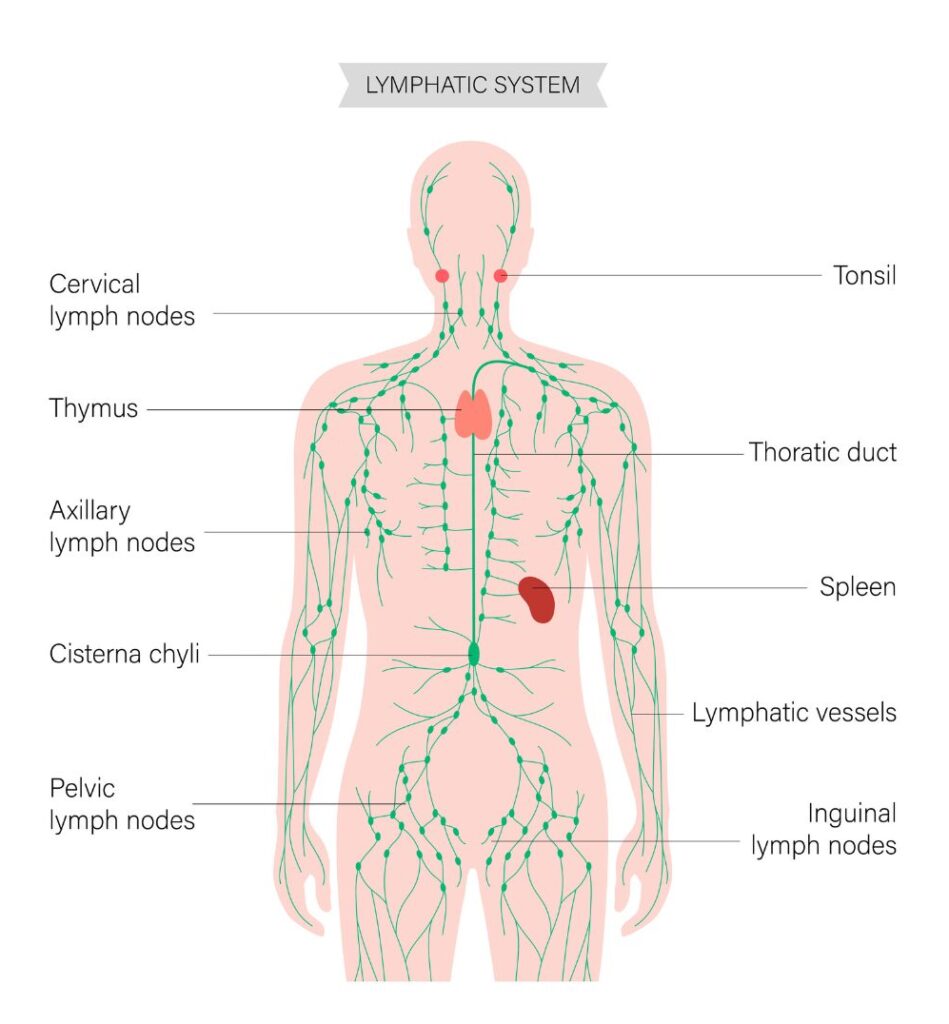
In essence, if an activity in your body requires energy or movement, it depends on Qi. A prime example is the lymphatic system, which is responsible for immune functions, as well as the transportation of body fluids and nutrients to and from the blood. It’s important to note that, in TCM, even body fluids are considered a form of Qi, emphasizing the interconnectedness of all bodily functions.
What is Blood?
Now, let’s turn our attention to Blood. In TCM, Blood is considered a more substantial form of Qi, and it requires Qi to be produced, utilized, and regulated. Blood plays a vital role in supporting both mental and physical activities, including sleep. Unlike Qi, the concept of Blood is more universally understood across various medical traditions.
In acupuncture and TCM, Blood is not limited to its traditional Western definition but is seen as a fluid with protective properties. It serves as a barrier, keeping out disruptive influences such as “Wind” or “Phlegm.” These influences can manifest in a wide range of conditions, including skin issues, autoimmune disorders, musculoskeletal problems, metabolic imbalances, hormonal disturbances, and even mental health disorders.
Balancing Qi and Blood: The Key to Health
To understand the significance of Qi and Blood in acupuncture and TCM, imagine the body as a container that requires both energy (Qi) and form (Blood) to maintain equilibrium. Too much Qi can deplete Blood, demanding excessive energy from the organs. Conversely, an excess of Blood can overwhelm Qi, causing stagnation within the body’s vessels and channels, thereby blocking the pathways Qi relies on.
Ultimately, any disease or health issue can be viewed as an imbalance between Qi and Blood. When this equilibrium is disrupted, the body’s nourishment becomes compromised, providing an opening for pathogens to enter and wreak havoc. Therefore, the harmonization of Qi and Blood lies at the heart of acupuncture and TCM, aiming to restore balance and promote overall well-being.
Benefits of Acupuncture: How It Harnesses Qi and Blood
Now that we have a better understanding of Qi and Blood, let’s explore how acupuncture harnesses these concepts to benefit your health.
Promotes Circulation:
Acupuncture needles are strategically inserted into specific acupuncture points along the body’s meridians. This stimulation enhances the flow of Qi and Blood, helping to alleviate stagnation and promote circulation. Improved circulation can aid in the healing of injuries, reduce pain, and enhance overall vitality.
Boosts Immunity:
By balancing Qi, acupuncture supports the immune system’s ability to defend against pathogens. A robust Qi ensures that your body has the energy to fight off illnesses and recover more efficiently.
Pain Management:
Acupuncture is widely recognized for its effectiveness in pain management. By stimulating acupuncture points, it can release endorphins, the body’s natural painkillers, providing relief from chronic pain conditions.
Stress Reduction:
Acupuncture has a calming effect on the nervous system, helping to reduce stress and anxiety. By harmonizing Qi and Blood, it promotes emotional balance and mental well-being.
Enhances Sleep:
Sleep disturbances often stem from imbalances in Qi and Blood. Acupuncture can address these imbalances, promoting better sleep patterns and overall restorative sleep.
Supports Digestion:
Qi is intimately involved in digestion and metabolism. Acupuncture can help regulate digestive processes, alleviate gastrointestinal issues, and improve nutrient absorption.
Hormonal Balance:
Acupuncture is frequently used to address hormonal imbalances, such as those related to menstrual irregularities, menopause, and fertility issues. By harmonizing Qi and Blood, it can promote hormonal equilibrium.
Skin Health:
Acupuncture’s ability to regulate Blood flow and Qi can improve skin conditions by addressing underlying imbalances. It is often used as a complementary therapy for various dermatological issues.
Mental Health:
Acupuncture’s impact on Qi and Blood can help alleviate symptoms of depression, anxiety, and other mental health disorders by promoting emotional balance and relaxation.
Enhanced Overall Wellness:
Acupuncture is not just about treating specific ailments; it is a holistic approach to wellness. By restoring the balance between Qi and Blood, acupuncture helps your body function optimally, fostering overall health and vitality.
In conclusion, acupuncture is a time-tested therapeutic modality that harnesses the concepts of Qi and Blood to promote health and well-being. Qi and Blood are the foundation of life energy and physical substance, and their harmonization through acupuncture can lead to a wide range of benefits, from pain relief to immune support and emotional balance. If you’re seeking a holistic approach to health that considers the interconnectedness of your body’s systems, acupuncture may be a valuable addition to your wellness journey. As I continue to share insights into acupuncture and TCM concepts, I hope to empower you with knowledge about this ancient and effective healing art. Stay tuned for more explanations and discussions on the fascinating world of acupuncture and traditional Chinese medicine. Thank you for your attention, and I look forward to being a part of your path to optimal health at Back in Balance.